Selecting the right spring material is only part of the equation when it comes to building a part that performs well over time. Spring coatings and surface treatments play just as big a role in how a spring holds up to its environment, and thermal dip black paint is one option worth understanding as you finalize your spring design.
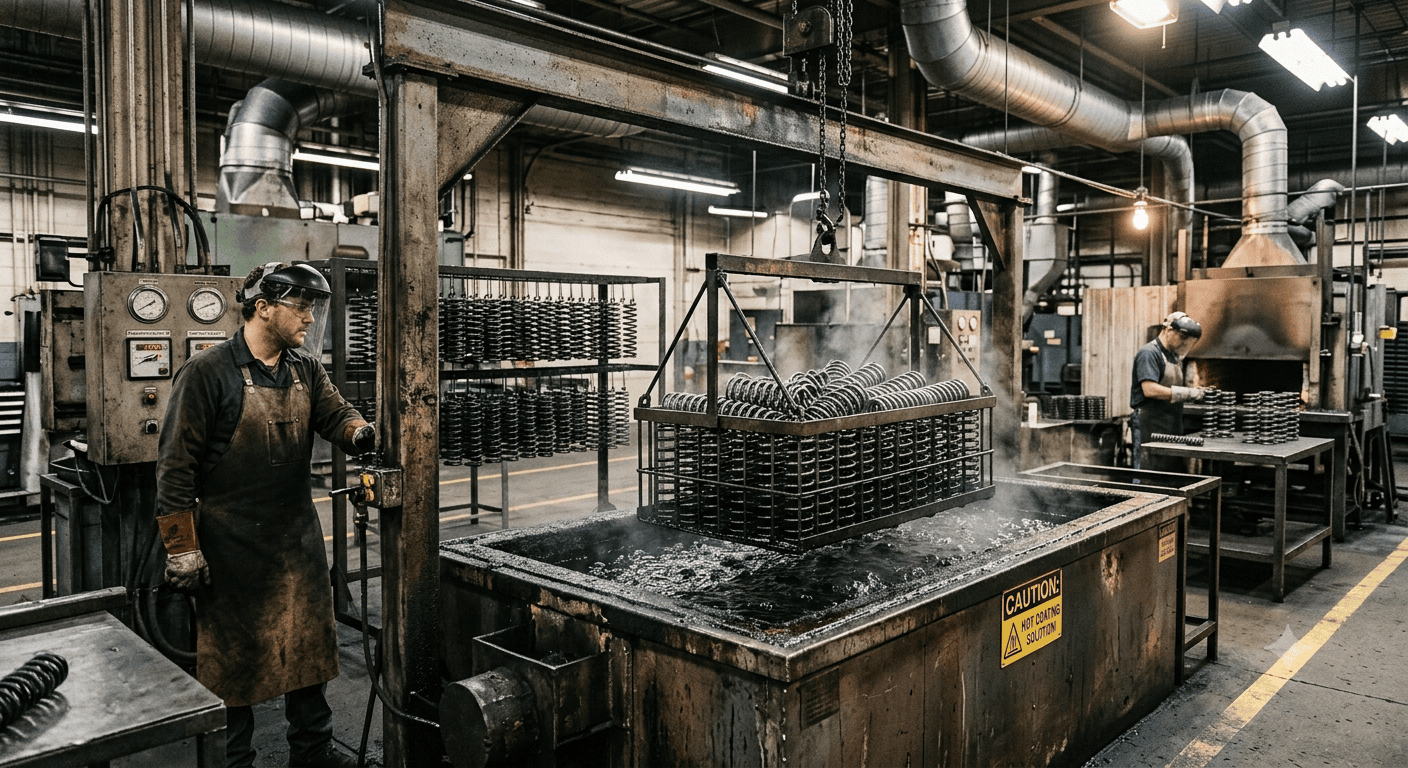
Thermal dip paint springs are coated using a process that heats the paint and applies it to the metal surface through a dip process, rather than spraying it on. The result is a uniform, corrosion protective layer that bonds tightly to the spring surface. Black finish spring coating produced this way gives parts a consistent, dark, matte appearance while adding a layer of protection against rust and general wear.
The Process
How Thermal Dip Black Paint Is Applied
Thermal dip paint coating follows a controlled application process to make sure every spring gets an even, durable finish. Each step in the process affects how well the coating bonds to the metal and how long it holds up in the field.
Preparing the Spring Surface
Before any coating is applied, the spring surface needs to be clean and free of oils, rust, or debris. A clean surface is critical for good adhesion, since any contaminant left on the metal can cause the coating to peel or wear unevenly over time. Some manufacturers use shot peening or vibratory finishing ahead of coating to prepare the surface and improve the spring’s fatigue strength before the finish is applied.
The Dip Application
Once the spring is clean, it’s submerged in a heated paint bath. This dip process coats the entire spring surface at once, reaching coils and tight geometries that spray application can sometimes miss. The heat used during application helps the paint flow evenly across the metal, reducing the rough spots and drips that can happen with other coating methods.
Curing the Finish
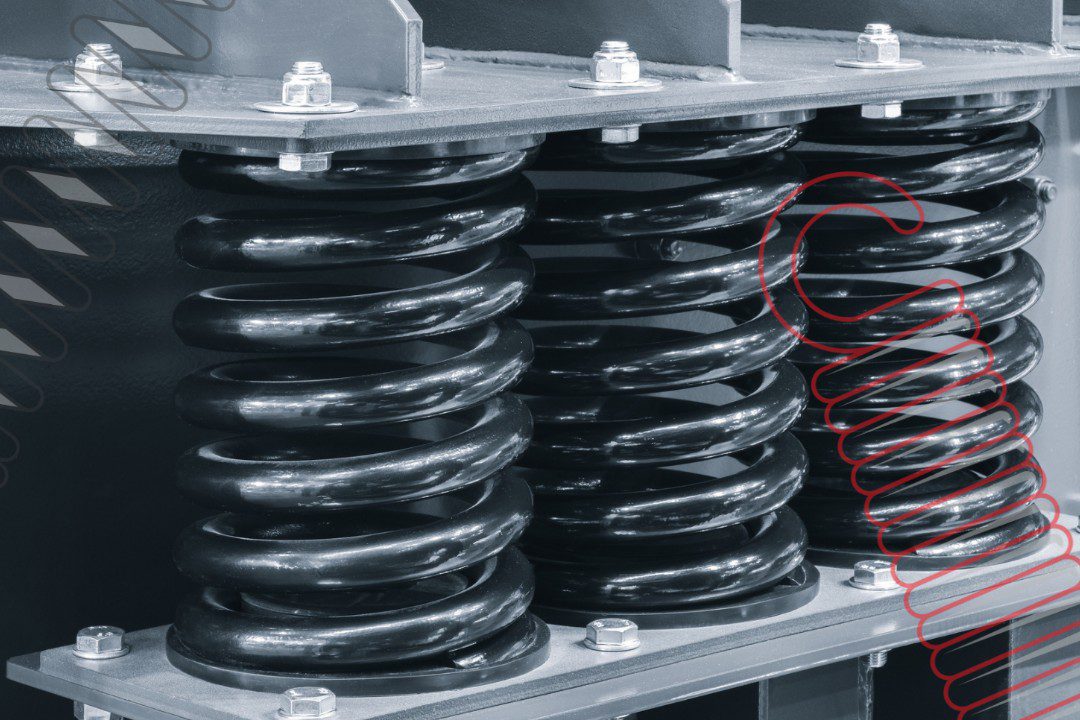
After the dip application, the coated spring is cured to harden the finish and lock in its black finish spring coating. This step gives the coating its final hardness and wear resistance, resulting in a tough, uniform layer that protects the underlying metal from corrosion and everyday wear.
Why It’s Used
Benefits of Thermal Dip Black Paint for Springs
Thermal dip paint springs offer several advantages that make this coating a practical choice for a wide range of spring applications, especially where a durable, consistent black finish is needed.
Good Corrosion Resistance
Thermal dip black paint provides good corrosion resistance for springs used in humid, outdoor, or industrial settings. The coating forms a protective barrier over the metal surface, helping to reduce rust and extend the service life of the part. While it doesn’t rely on a sacrificial anode the way zinc or cadmium coatings do, a properly applied thermal dip coating still offers solid protection for medium and low alloy steels used in many spring designs.
Uniform, Attractive Appearance
Because the dip process coats the entire spring surface evenly, thermal dip black paint delivers a uniform look across every part in a production run. This consistency matters for applications where physical properties such as reflectance and color need to stay the same from part to part, particularly in visible assemblies or consumer-facing products.
Wear Resistance and Durability
Once cured, thermal dip black paint forms a tough coating that resists chipping and wear better than standard liquid paint. This makes it a solid option for springs that see regular handling or movement, including parts used in die springs applications where the coating needs to hold up under repeated compression and load.
Comparing Coating Options
Thermal Dip Black Paint vs Other Spring Coatings
Thermal dip black paint is one of several spring coatings and surface treatments available, and it’s helpful to understand how it stacks up against other common finishing options.
Black Oxide
Black oxide is another popular option for a black finish, though it works differently than thermal dip paint. Rather than adding a layer of coating on top of the metal, black oxide is a chemical conversion coating that alters the surface of the metal itself. Black oxide offers a thinner finish than thermal dip paint, typically less than 0.05 millimeters thick, and is often chosen when tight dimension tolerances need to be maintained on the finished spring.
Zinc and Cadmium Plating
Zinc and cadmium plating are electroplated finishes that offer good corrosion resistance through a sacrificial anode effect, where the coating corrodes before the base metal does. Electroplating involves submerging the part to be plated in an electrolyte solution, where the part to be plated is the cathode and the plating material is the anode in an electrolytic circuit. These processes are primarily used to provide corrosion resistance rather than a specific color, and they don’t offer the same uniform black appearance as thermal dip paint.
Chrome Plating and Electroless Nickel
Chrome plating and electroless nickel are two other common surface treatments used on metal parts. Chrome plating gives springs excellent wear resistance and a bright, polished surface, often used when appearance and hardness both matter. Electroless nickel offers high tarnish resistance and good conductivity, making it a strong choice for electrical applications where consistent conductivity across the spring surface is important. Neither of these options produces the matte black appearance that thermal dip paint provides.
Electropolishing
Electropolishing is a finishing process most often used on stainless steel springs to remove surface material and create a smooth, mirror-like surface. Unlike thermal dip black paint, electropolishing doesn’t add a layer to the metal, and it’s generally chosen for appearance and corrosion resistance on stainless alloys rather than as a black finish option.
Applications for Thermal Dip Black Coated Springs
Where Thermal Dip Black Paint Is Used
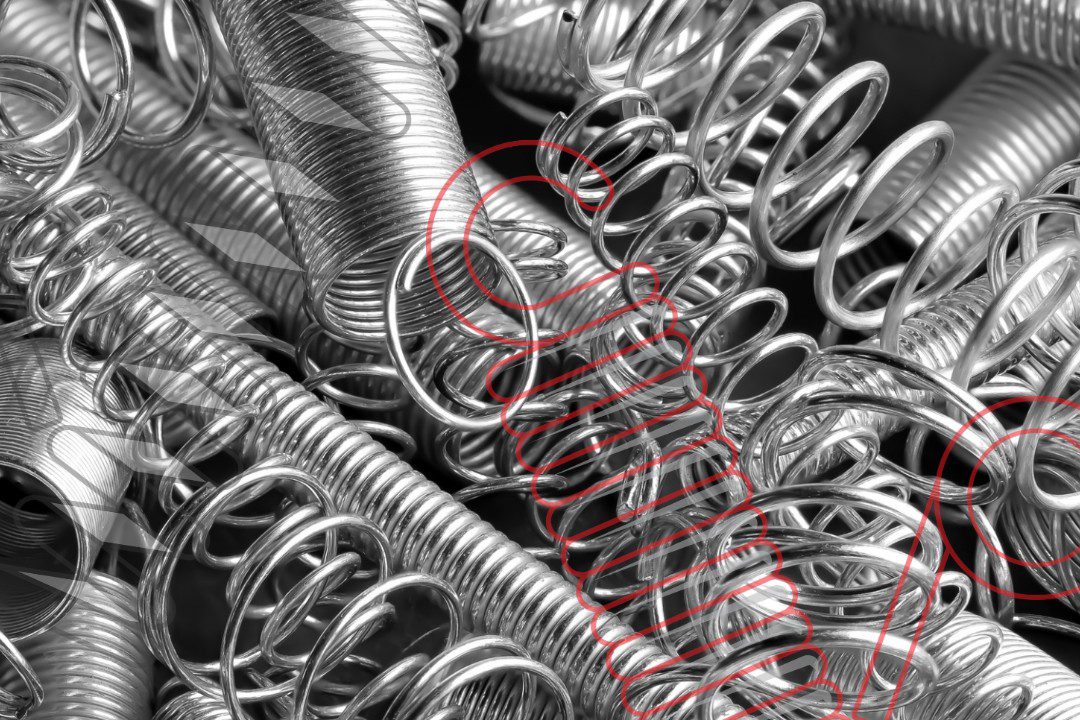
Thermal dip paint springs show up in a variety of applications where a durable black finish and good corrosion resistance are both priorities. Industrial equipment, machine components, and general-purpose springs all benefit from the combination of appearance and protection this coating provides.
Springs used in visible assemblies, where a consistent black finish matters for the final product’s appearance, are also a common fit for this coating. Because thermal dip paint coats the entire spring surface evenly, it works well for parts with complex shapes or tight coils where a uniform finish is hard to achieve with other application methods.
hoosing the Right Finish for Your Spring
Selecting a Coating for Your Spring Design
Choosing between thermal dip black paint and other spring coatings and surface treatments comes down to the specific requirements of your application. If a durable, uniform black finish with good corrosion resistance is the goal, thermal dip paint is often a strong fit. If your application calls for tighter dimensional control, higher wear resistance, or specific electrical properties like conductivity or solderability, another surface treatment such as black oxide, chrome plating, or electroless nickel may be a better match.
Our team can help you weigh these options against your spring design, load requirements, and the environment the part will operate in, so you land on a finish that delivers accurate and reproducible results every time.
Next Steps
Partner with Western Spring for Thermal Dip Black Paint Finishing
Western Spring has the experience to help you choose the right coating for your custom spring project, whether that’s thermal dip black paint or another surface treatment entirely. As a fourth-generation, family-owned manufacturer with ISO 9001:2015 certification, our team is ready to help you match the right finish to your application.
Reach out to our team today to talk through your spring coating needs, and we’ll help you find a finish that delivers the protection and appearance your project calls for.