Selecting the right spring isn’t just a matter of size and shape—it’s about matching performance, materials, and timelines with your unique application.
Whether you’re designing a new system or replacing a worn-out component, the wrong spring can lead to mechanical failure, added costs, or even safety risks.
From garage doors and industrial machinery to medical equipment and consumer products, springs are essential to movement, load management, and reliable performance.
Knowing what to ask before you order a custom spring can make all the difference. This guide walks you through the top five questions to consider.
5. What Load and Performance Requirements Will the Spring Need to Meet?
Every spring is designed to manage force in a specific way. Whether you need a torsion spring to store rotational energy or a compression spring to absorb shock, knowing how your spring will function is key.
Start by defining the type of load it will encounter. Is it static, dynamic, or cyclic?
How often will the spring operate, and under what conditions? What range of motion or travel distance is acceptable?
Will it need to maintain consistent force over thousands—or millions—of cycles?
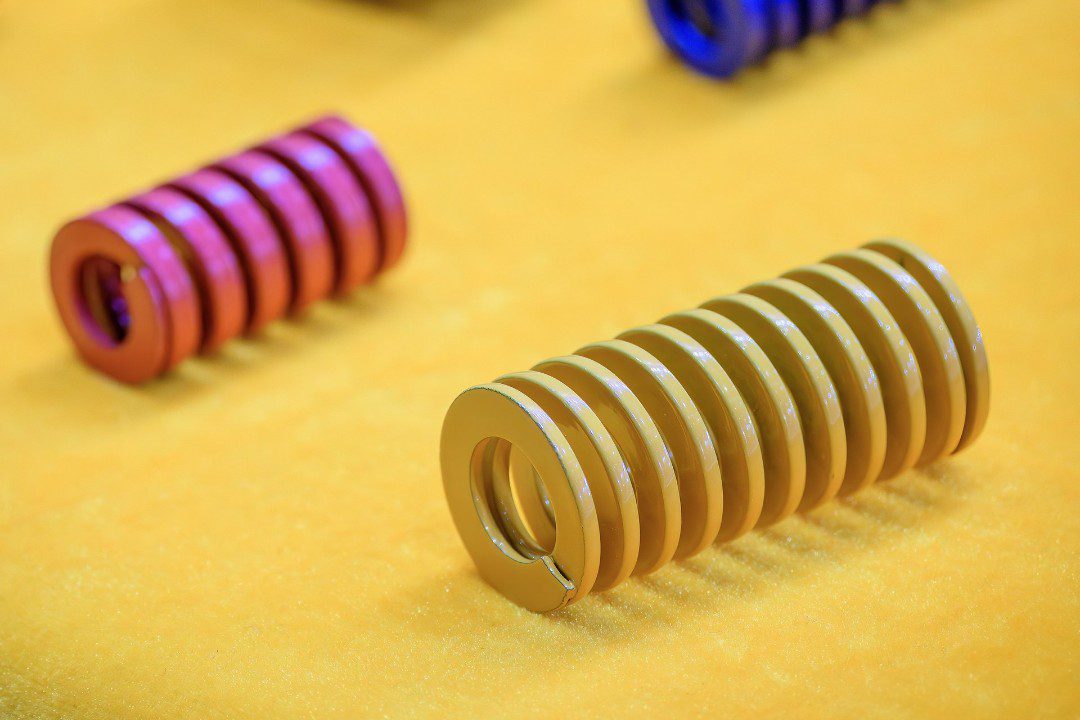
Load requirements also help determine the type of spring you need—torsion, compression, extension, or coil. If you're unsure, the team at Western Spring can help you calculate the right spring rate and select a spring that will perform as expected without overengineering.
4. What Material Is Best for My Application?
Material selection has a direct impact on a spring’s durability, cost, and resistance to corrosion or heat.
Some of the most commonly used materials include:
- Stainless steel for corrosion resistance and general-purpose durability
- Music wire for high strength in dry environments
- Chrome-silicon for superior fatigue resistance under high stress
- Inconel or phosphor bronze for high-temperature or specialty applications
Each material offers unique advantages. A spring used in a dry indoor setting won’t require the same coating or resistance as one mounted to a garage door facing harsh weather conditions year-round.
If you're working in a regulated or demanding environment, such as food production or medical equipment, material choice becomes even more important. We can help you evaluate the options to meet your project’s needs.
3. Will the Spring Be Exposed to Special Environmental Conditions?
Springs don’t operate in a vacuum. Exposure to moisture, salt air, heat, dust, or chemicals can significantly reduce their lifespan and reliability.
For instance, garage door springs exposed to outdoor elements will need protective coatings or stainless steel construction to prevent rust and seizing.
Springs used in manufacturing facilities may encounter lubricants or extreme temperature swings. And cleanroom or food-grade applications demand materials that resist contamination and meet safety standards.
If you’re not sure how these conditions will affect your spring, feel free to get in touch and we can help answer any questions you may have.
We can also recommend whether to adjust spring tolerances or protective finishes based on your unique operating conditions.
2. Do I Have Detailed Design Specifications, or Do I Need Engineering Support?
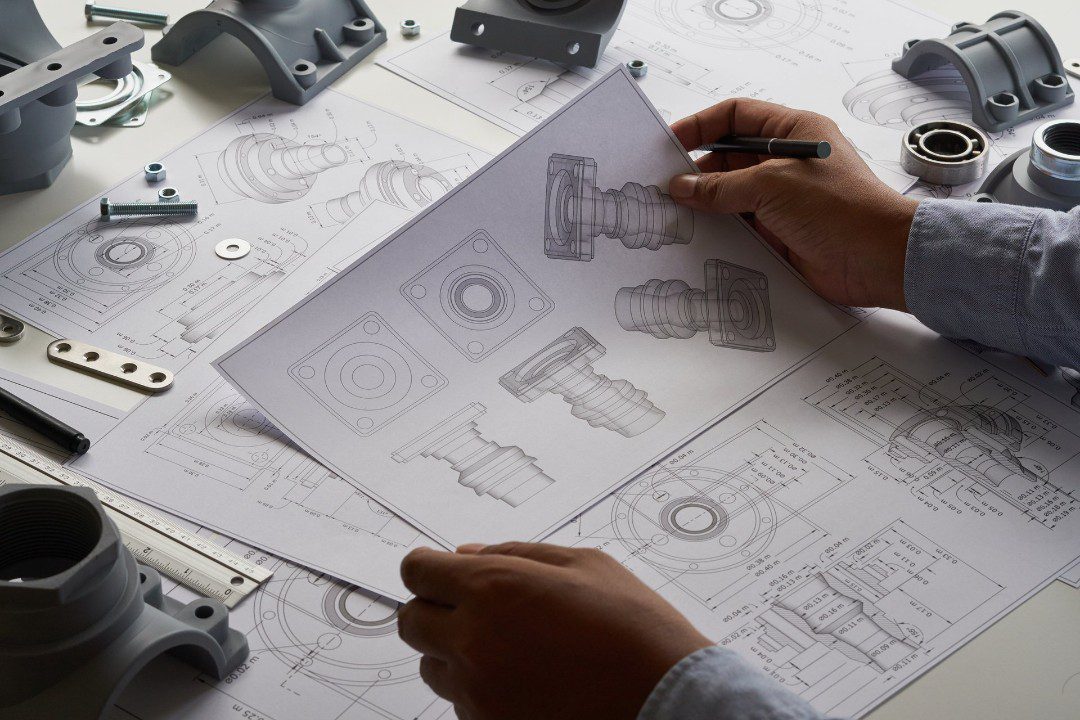
Not every customer comes prepared with full technical drawings—and that’s okay.
If you already know your requirements, be prepared to provide key measurements such as wire diameter, inside diameter, number of coils, and expected load.
If you don’t, our engineers are available to help you measure or reverse-engineer a replacement spring. We can ensure your part meets performance expectations without overcomplicating the design.
This is especially important in systems like garage doors, where the wrong spring size or torque can make the door difficult to lift—or worse, damage the opener or pose a safety hazard.
Key information may include:
- Spring type (compression, torsion, or extension)
- Number and direction of coils
- Load or torque specifications
- Space constraints or physical installation limitations
Our team offers engineering support that gives you peace of mind—whether you're ordering a single part or building an entire system from scratch.
1. What Are the Lead Times and Production Timelines?
Timely delivery is just as important as a solid design. Before finalizing your spring order, consider how quickly you’ll need the part—and whether you'll need more in the future.
Ask about prototyping options, lead time flexibility, and batch sizes. If you’re planning for production, we can handle low- to high-volume runs without missing delivery targets.
Our experienced team is known for responsive turnaround and adaptable production scheduling. Whether you’re replacing one broken spring on a custom-built machine or scaling up for thousands of units, we will work with you to deliver parts on time.
Planning ahead prevents costly downtime or rush shipping fees—and helps ensure your spring order aligns with your production goals.
Let Western Spring Help You Build the Right Spring the First Time
Ordering a custom spring doesn’t have to be complicated.
By asking these five questions about performance, material selection, environmental exposure, design readiness, and production timelines, you’ll avoid common pitfalls and improve the reliability of your finished product.
At Western Spring, we produce torsion springs, coil springs, and compression springs for a variety of industries—from agriculture and aerospace to residential garage doors and industrial manufacturing.
We’ll guide you through the entire process, from selecting spring wire and calculating the spring rate to managing production deadlines.
Visit our services page to explore your options, or contact our team today to get started with your custom order.